What Is Industry 4.0 and Why Does It Matter for Ontario Manufacturers?
Industry 4.0 is the convergence of IoT sensors, AI analytics, cloud computing, advanced manufacturing, and cyber-physical systems in production environments. For Ontario manufacturers, it means moving from reactive operations to predictive, data-driven decision-making across every aspect of production. Deloitte reports that Canadian manufacturers adopting Industry 4.0 technologies achieve 10-20% productivity gains and 15-25% cost reductions within 24 months. Ontario's manufacturing sector contributes $90B to provincial GDP — and Industry 4.0 is how it stays competitive against lower-cost jurisdictions.
Talk to our team about assessing your Industry 4.0 readiness.
The Five Technology Pillars
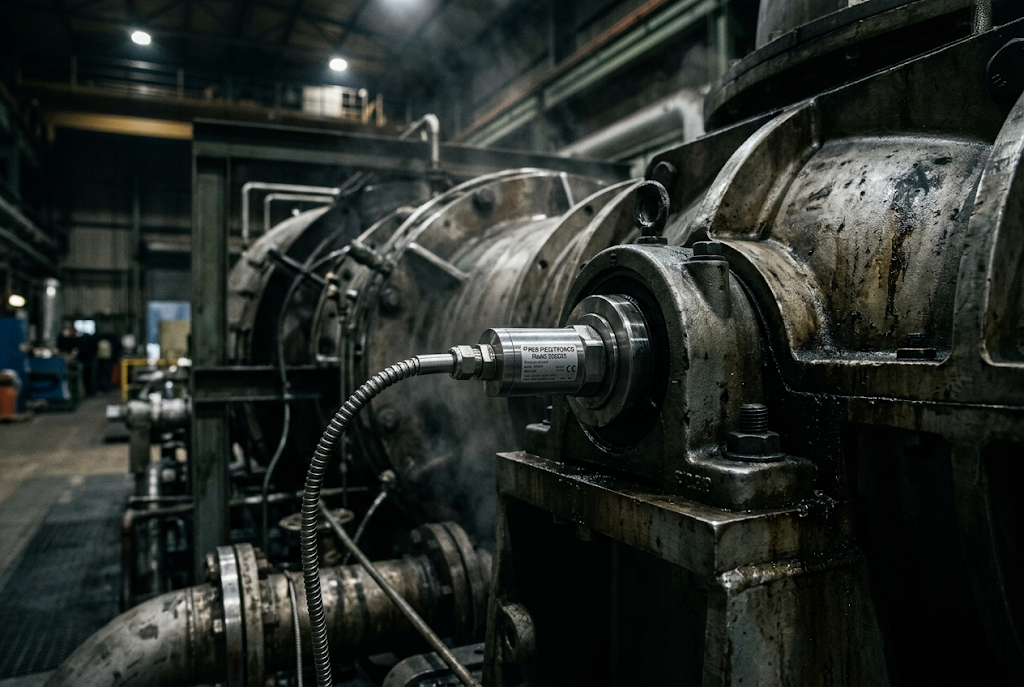
1. IoT and Sensors. The foundation. You cannot optimise what you cannot measure. Retrofit sensors on existing equipment capture vibration, temperature, pressure, flow, and energy data. Our manufacturing division builds and deploys these sensors.
2. Connectivity and Data Infrastructure. Sensors generate data. You need reliable networks (industrial Ethernet, 5G, LoRaWAN) and data platforms (time-series databases, data lakes) to capture and store it. Edge computing processes time-critical data locally; cloud handles analytics and long-term storage.
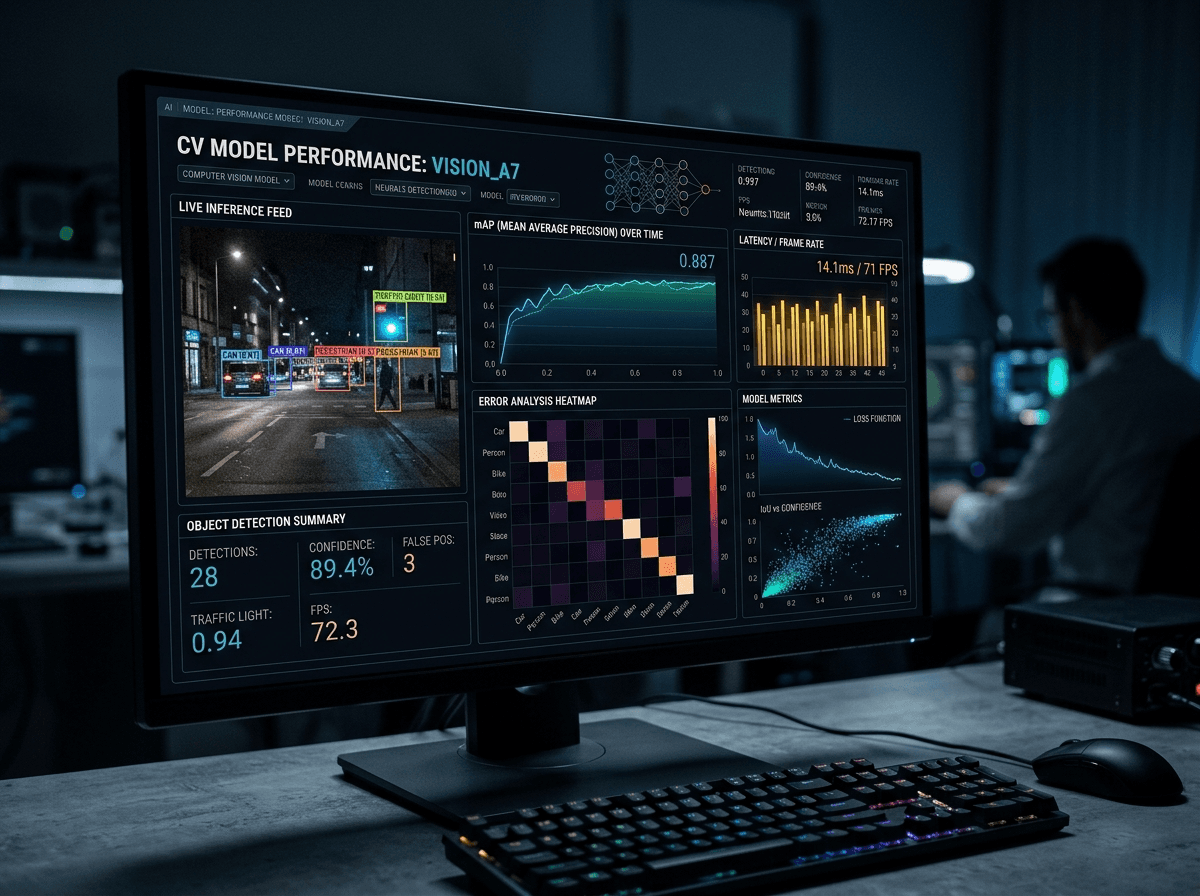
3. AI and Analytics. Raw data becomes actionable intelligence. Predictive maintenance models forecast failures. Quality analytics catch defects. Demand forecasting optimises production scheduling. Our AI consulting division builds and deploys these models.
4. Software Platforms. Custom dashboards, MES (Manufacturing Execution Systems), CMMS integration, and ERP connectivity tie everything together. Our software division builds these platforms.
5. Advanced Manufacturing. CNC automation, robotic process automation, additive manufacturing, and precision instruments execute the plan. Tighter tolerances, faster changeovers, less waste.
Industry 4.0 Maturity Framework
Assess where your Ontario plant stands today:
Level 1 — Reactive. No condition monitoring. Calendar-based maintenance. Manual data entry. Paper-based quality checks. Most small Ontario manufacturers start here.
Level 2 — Connected. Basic sensors on critical equipment. Data collected but not analysed systematically. CMMS in place but underutilised.
Level 3 — Predictive. Vibration analysis and thermography identify faults before failure. Data feeds dashboards. Maintenance is partially condition-based. This is where ROI becomes measurable.
Level 4 — Integrated. Sensor data flows automatically into software platforms. AI models run in production. Quality, maintenance, and production share a common data layer.
Level 5 — Autonomous. Self-optimising production lines. AI adjusts parameters in real time. Digital twins simulate changes before implementation. Humans supervise, not operate.
Most Ontario manufacturers are at Level 1-2. Moving to Level 3 delivers the highest ROI per dollar invested.
Ontario Funding Programmes
NRC IRAP: Up to $1M for technology development projects. AI and IoT implementations qualify as eligible activities. Read our IRAP guide.
FedDev Ontario: Southern Ontario businesses can access funding for productivity-enhancing technology adoption.
Ontario Centre of Innovation (OCI): Co-investment programmes for Industry 4.0 technology adoption.
SR&ED: Tax credits for R&D activities related to developing custom Industry 4.0 solutions. Read our SR&ED guide.
Canada Digital Adoption Programme (CDAP): Grants up to $15,000 for digital adoption plans plus interest-free loans up to $100,000 for implementation.
Frequently Asked Questions
How much does Industry 4.0 implementation cost for an Ontario manufacturer?
Level 1 to Level 3 (the highest-ROI jump): CAD $150,000-$500,000 over 12-18 months, including sensors, software, and consulting. Payback is typically 12-18 months through reduced downtime and maintenance savings. Government funding can offset 30-50% of costs.
Do I need to replace my existing equipment?
No. Industry 4.0 layers onto existing equipment through retrofit sensors and software integration. Your 20-year-old lathe gets IoT sensors and a digital twin without replacing the machine.
Where should I start?
Start with predictive maintenance on your 10 most critical assets. This delivers measurable ROI fastest, builds internal confidence, and creates the data foundation for everything else. Our predictive maintenance division handles this first step.
Droz Technologies is Ontario's only company with all five Industry 4.0 pillars under one roof: sensors, software, AI, manufacturing, and field services. Talk to an engineer about your Industry 4.0 journey.
Ready to apply this?