What Is a Digital Twin in Manufacturing?
A digital twin is a virtual replica of a physical manufacturing asset, process, or system that updates in real time using sensor data. Ontario manufacturers use digital twins to simulate production changes, predict equipment failures, and optimise throughput without disrupting live operations. EY reports that digital twin implementations in Canadian manufacturing reduce unplanned downtime by 20-35% and increase production efficiency by 10-15%. The technology has moved from experimental to operational — 67% of Canadian manufacturers plan to implement digital twins by 2027 (KPMG, 2025).
Talk to our manufacturing engineers about building a digital twin for your operation.
Ontario Use Cases
Production Line Optimisation: A Hamilton automotive parts manufacturer created digital twins of three production lines. Simulation identified a bottleneck in their heat treatment process that reduced throughput by 12%. The fix — adjusting conveyor timing by 4 seconds per cycle — increased daily output by 340 units. Total investment: CAD $180,000. Annual benefit: CAD $2.1M.
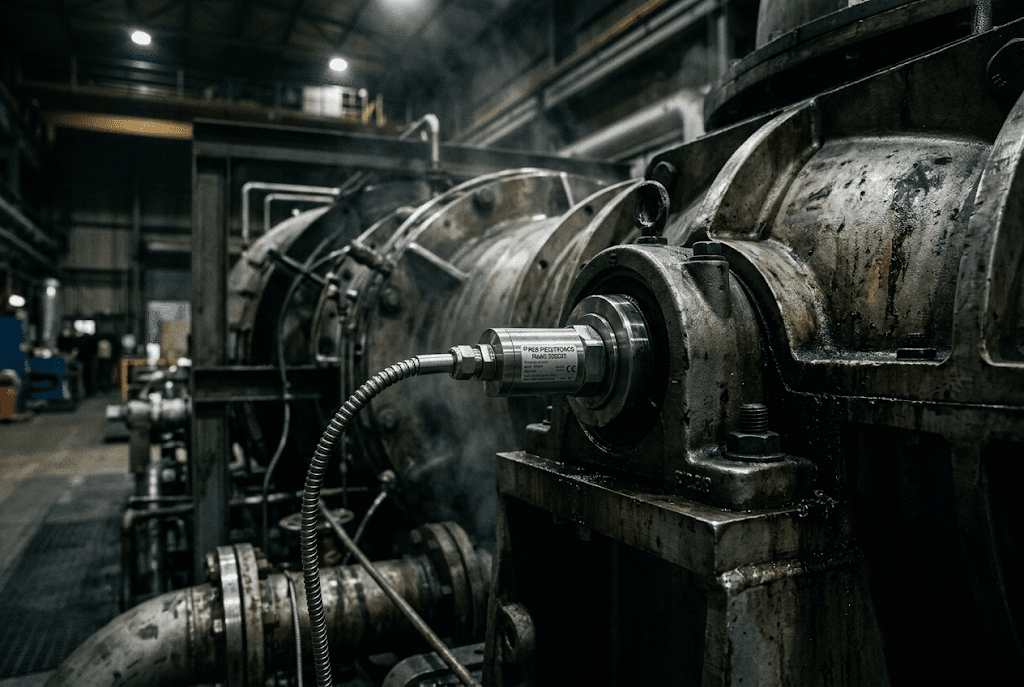
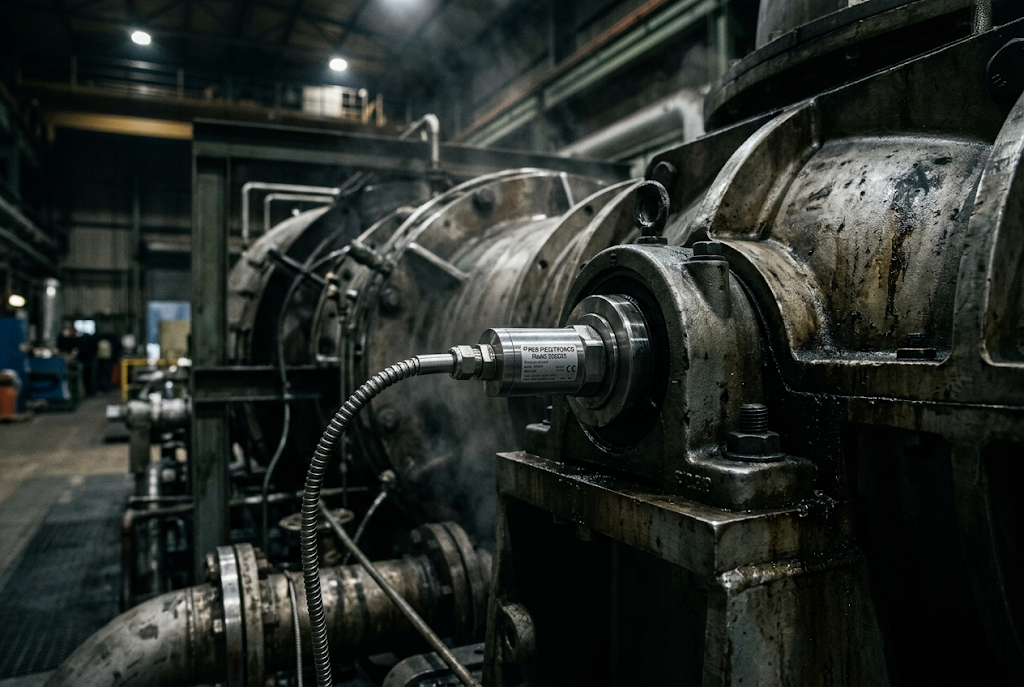
Predictive Maintenance Integration: Digital twins fed with vibration and temperature data from physical sensors predict bearing failures 6-8 weeks before they occur. Our predictive maintenance division provides the sensor data that powers these models.
Quality Control: A Kitchener-Waterloo electronics manufacturer uses a digital twin to simulate the thermal profile of their soldering process. When ambient conditions change (humidity, temperature), the twin adjusts process parameters automatically. Defect rate dropped from 2.3% to 0.4%.
Energy Optimisation: A Mississauga food processor reduced energy consumption by 22% by running optimisation scenarios on their digital twin before implementing changes on the physical plant. The twin identified that staggering production line startups by 15 minutes eliminated a $180,000/year demand charge penalty.
Implementation Phases
Phase 1 — Data Foundation (4-8 weeks): Install IoT sensors on target assets. Establish data pipelines. Build the initial 3D model or process model. Cost: CAD $50,000-$150,000.
Phase 2 — Simulation (4-6 weeks): Calibrate the twin against actual performance data. Validate that simulated outputs match real-world measurements within 5% accuracy. Cost: CAD $30,000-$80,000.
Phase 3 — Optimisation (ongoing): Run what-if scenarios. Implement changes on the twin first, validate, then apply to the physical system. This phase delivers the ROI. Cost: CAD $20,000-$50,000/year for maintenance and model updates.
Frequently Asked Questions
How much does a digital twin cost for a Canadian manufacturer?
A single production line digital twin costs CAD $80,000-$230,000 for initial implementation. Plant-wide implementations range from $500,000 to $2M+. Payback is typically 12-24 months through reduced downtime, increased throughput, and energy savings.
Do I need to replace my existing equipment to implement a digital twin?
No. Digital twins layer onto existing equipment through retrofit IoT sensors. Your machines do not need to be "smart" — we add the intelligence. Our manufacturing division builds and calibrates the sensors.
What data do I need to start?
At minimum: equipment operating parameters (speed, temperature, pressure), production output metrics, and maintenance history. More data improves accuracy, but you can start with what you have and add sensors over time.
Droz Technologies builds digital twins for Ontario manufacturers. Talk to an engineer about your implementation.
Ready to apply this?